
Alcohol Addiction
Will Orthotics Help Alcohol Neuropathy?
Custom orthotics can make walking safer and less painful with alcoholic neuropathy, but they treat the symptoms, not the nerve damage itself.
Published March 29, 2026 · Updated June 16, 2026 · Last medically reviewed June 16, 2026

Key takeaways
- Custom orthotics can improve balance, reduce foot pain, and lower the risk of injuries and pressure ulcers in feet with reduced sensation.
- Orthotics manage the symptoms of alcoholic neuropathy. They do not cure or reverse the underlying nerve damage.
- Stopping alcohol use is the single most important step, and early cases can improve or even resolve with abstinence and better nutrition.
- Orthotics work best as one part of a plan that also includes alcohol treatment, nutritional support, and medical care.
If alcohol has left your feet tingling, numb, or unsteady, you may be looking for anything that makes walking feel safer. Orthotics, the custom insoles and supports that go inside your shoes, come up often. They can genuinely help, but it is worth understanding what they do and what they cannot do.
This guide explains how orthotics help with alcoholic neuropathy, what kind tends to work best, and why the most powerful step for your nerves is one that has nothing to do with your shoes.
What is alcoholic neuropathy?
Alcoholic neuropathy is damage to the peripheral nerves, the network that carries signals between your brain and spinal cord and the rest of your body, caused by long-term heavy drinking. According to the National Institute of Neurological Disorders and Stroke, peripheral nerve damage commonly shows up first in the feet and hands.
Common symptoms include:
- Tingling, burning, or "pins and needles" in the feet and hands
- Numbness or reduced sensation, often starting in the toes
- Muscle weakness and cramping in the legs and feet
- Pain or painful sensitivity to touch
- Problems with balance and coordination
It is more common than many people expect. A peer-reviewed review in the British Journal of Clinical Pharmacology reports that alcoholic neuropathy affects an estimated 25 to 66 percent of people with chronic, long-term alcohol use, with many cases going undiagnosed.
How does alcohol cause nerve damage?
There are two main drivers, and they often happen together. First, alcohol and its byproducts have a direct toxic effect on nerve fibers, contributing to nerve degeneration over time. Second, heavy drinking interferes with nutrition. The StatPearls clinical reference from the National Library of Medicine notes that alcohol depletes thiamine (vitamin B1) and other B vitamins that nerves need to stay healthy, both through poor diet and through reduced absorption. The combination of toxicity and nutritional deficiency is what makes the nerves vulnerable.
Will orthotics help alcohol neuropathy?
Yes, orthotics can help, but with an important caveat. They are a tool for managing symptoms and protecting your feet, not a cure for the nerve damage underneath.
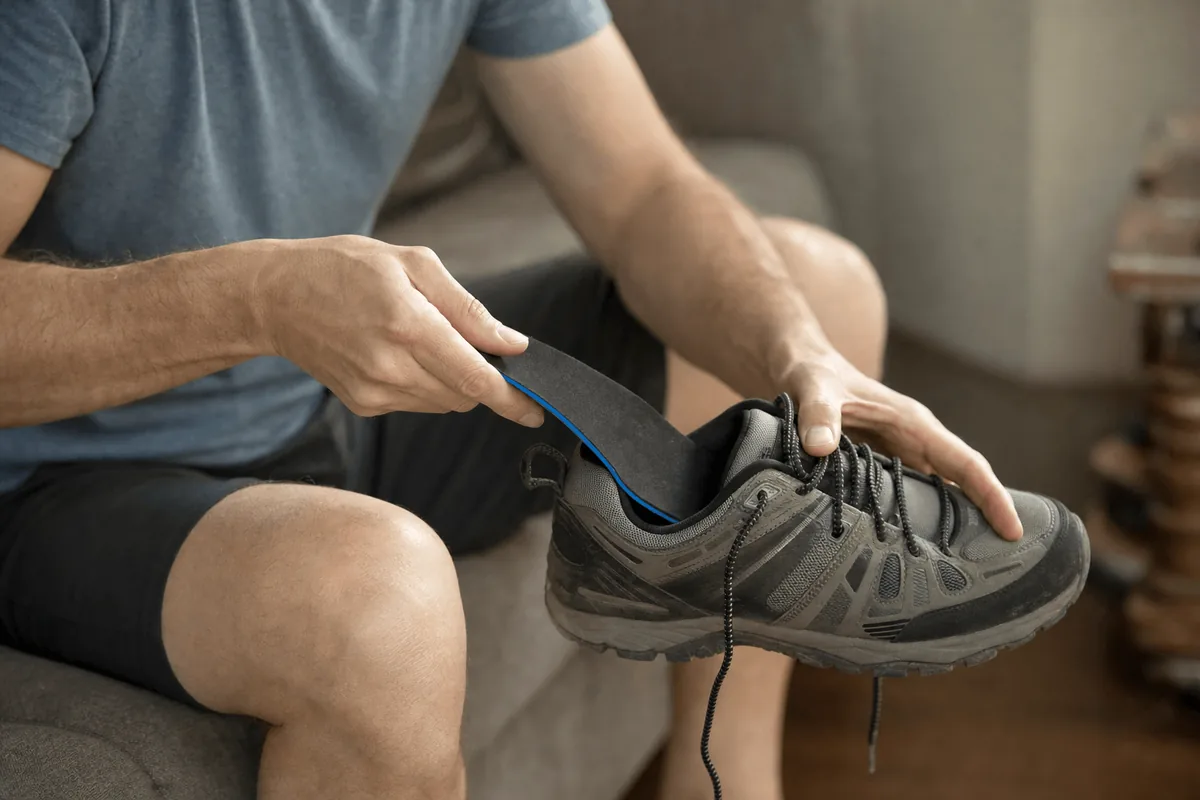
When neuropathy changes how your feet feel and how your weight lands on them, custom orthotics can restore some of the support and feedback that the nerves no longer provide. That can make walking steadier, less painful, and less likely to lead to injury. What orthotics cannot do is repair damaged nerves or reverse the underlying condition. For that, the focus has to shift to the cause of the damage: alcohol use itself.
5 ways orthotics may help alcohol neuropathy
1. Improved stability
Neuropathy can blunt the sense of where your feet are and how they are positioned, which throws off balance and raises the risk of falls. Orthotics help redistribute weight more evenly and give the foot a more stable base, making it easier to stay upright and move with confidence.
2. Increased mobility
When foot and leg muscles are weak or sore, even short walks can feel like a chore. Supportive orthotics take some of the load off struggling muscles, which can make everyday activities like standing, walking, and climbing stairs more manageable.
3. Pain relief
Many people with alcoholic neuropathy describe burning or aching in the feet. By correcting alignment, cushioning pressure points, and easing strain on sensitive areas, orthotics can take the edge off that discomfort during daily activity.
4. Lower risk of injury
When your feet are numb, you may not feel a blister, a stone in your shoe, or a twisted ankle until real damage is done. The added support and stability from orthotics reduces the chance of stumbles and minor injuries that can become serious when sensation is reduced.
5. Reduced risk of foot ulcers
This is one of the most important benefits. In feet that have lost protective sensation, steady pressure during walking can quietly break down the skin and create ulcers. A systematic review in the Journal of Foot and Ankle Research found that custom-made offloading devices help prevent these pressure-related ulcers in neuropathic feet by spreading pressure away from high-risk spots. That protective role is a major reason clinicians recommend properly fitted orthotics.
What is the best type of orthotic for alcoholic neuropathy?
There is no single "best" orthotic for everyone. The right choice depends on your foot shape, how much sensation you have lost, where your pressure points are, and the symptoms bothering you most.
In general, a custom-made device fitted by a podiatrist or orthotist tends to outperform a generic insole, because it is shaped to your foot and designed to offload the specific areas at risk. A clinician can also check for early signs of skin breakdown you might not feel. If you have numbness or any sores on your feet, see a professional rather than guessing with an over-the-counter product.
Orthotics are one part of the plan, not the whole plan
Orthotics are valuable, but on their own they only address the downstream effects of neuropathy. To protect your nerves and give them a chance to recover, the underlying alcohol use has to be addressed.
Stopping alcohol use is the most important step
Across the medical literature, the single most effective action is to stop drinking. The StatPearls reference notes that early, milder cases of alcoholic neuropathy can improve, and sometimes resolve, once a person stops drinking and restores proper nutrition, while more advanced or long-standing damage may be permanent. Either way, cessation prevents further deterioration. If quitting feels out of reach on your own, our alcohol addiction treatment program is built to make that step safer and more achievable.
Nutritional support
Because thiamine and other B-vitamin deficiencies play a central role, restoring nutrition is part of treatment. This often includes guided vitamin supplementation alongside a healthier diet, coordinated with medical care.
Treatment and ongoing support
Recovery is steadier with structure. After the initial steps, aftercare helps people stay alcohol-free over the long term, which is exactly what protects the nerves from further harm. Many people also benefit from family support, since rebuilding a healthier home environment makes lasting recovery easier. If you are not sure where to begin, our admissions team can walk you through your options.
Is alcoholic neuropathy temporary or permanent?
The honest answer is: it depends. Early in the condition, when symptoms are mainly sensory and the damage is limited, neuropathy is often reversible with abstinence and good nutrition. Once damage becomes more severe or has gone on for years, some of it may be permanent. That uncertainty is the strongest argument for acting early. The sooner alcohol use stops, the better the odds for your nerves.
If you are noticing numbness, burning, or balance problems and alcohol has been part of your life, those are signals worth taking seriously. You can get help today by calling the SAMHSA National Helpline at 1-800-662-4357, a free, confidential service available 24/7, or by reaching out to our team directly.
Orthotics can help you walk through your day with less pain and more stability. Treatment is what gives your nerves their best chance to heal. Our admissions team is here, confidentially and without judgment, across New Hampshire and Massachusetts.
Sources
- Alcoholic neuropathy: possible mechanisms and future treatment possibilities (2012). British Journal of Clinical Pharmacology (Chopra and Tiwari). View source
- Alcoholic Neuropathy (2023). StatPearls / NCBI Bookshelf (National Library of Medicine). View source
- Peripheral Neuropathy (2024). National Institute of Neurological Disorders and Stroke (NINDS). View source
- The efficacy of custom-made offloading devices for diabetic foot ulcer prevention: a systematic review (2024). Journal of Foot and Ankle Research (PMC, National Library of Medicine). View source
- SAMHSA National Helpline (2024). Substance Abuse and Mental Health Services Administration (SAMHSA). View source
Frequently asked questions
Will orthotics help alcohol neuropathy?
Orthotics can help manage symptoms such as poor balance, foot pain, and the risk of injuries and ulcers in numb feet. They do not repair nerve damage, so they work best alongside stopping alcohol use, restoring nutrition, and medical care.
What is the best type of orthotic for alcoholic neuropathy?
There is no single best orthotic. A custom-made device fitted by a podiatrist or orthotist for your specific foot shape, sensation loss, and pressure points is usually more effective than an off-the-shelf insole. A clinician should guide the choice.
Is alcoholic neuropathy temporary or permanent?
It depends on severity and how soon treatment starts. Early, milder cases can improve or even resolve once a person stops drinking and restores nutrition. More advanced or long-standing damage may be permanent, so getting help early matters.
Can you reverse alcoholic neuropathy?
Some recovery is possible, especially in early cases, when a person stops drinking and corrects vitamin deficiencies such as thiamine. Severe or prolonged nerve damage may not fully reverse, but stopping alcohol use prevents further harm.
Keep reading
-
 Alcohol Addiction
 Drug and Alcohol Rehab in Nashua, NH: A Guide to Outpatient Care
Most people in the Nashua area start with outpatient alcohol treatment, not residential care. Here is how the levels of care, medications, and insurance actually work. April 30, 2026 -
 Alcohol Addiction
 Alcohol Rehab in Manchester, NH: An Outpatient Care Guide
Most adults in the Manchester area can get evidence-based alcohol treatment through outpatient care, without leaving work, family, or home behind. April 24, 2026 -
 Alcohol Addiction
 How Long Does Alcohol Stay in Your System?
Alcohol detection windows range from under a day on a breathalyzer to nearly three months on a hair test. Here is what the clinical evidence shows for each method. April 24, 2026
This content is for informational purposes only and is not a substitute for professional medical advice, diagnosis, or treatment. If you or someone you know is in crisis, call or text 988. In an emergency, call 911.