
Drug Addiction
California Fentanyl Drug Bust: What Record Seizures Mean for Families
Record fentanyl seizures make headlines, but the real story for families is how lethal the supply has become and where to find help.
Published July 2, 2024 · Updated June 16, 2026 · Last medically reviewed June 16, 2026

Key takeaways
- California seized roughly 62,000 pounds of fentanyl in 2023, a record that signals how much of the drug is in circulation.
- Fentanyl is about 100 times more potent than morphine, and as little as two milligrams can be a lethal dose.
- Counterfeit pills are the hidden danger because many contain fentanyl without the buyer knowing.
- Seizures slow trafficking but do not end it, so naloxone, awareness, and treatment still save the most lives.
- Fentanyl addiction is treatable with medication-assisted treatment, counseling, and aftercare.
When a large fentanyl bust makes the news, the headline is usually the weight: thousands of pounds pulled off the street in a single operation. The number is shocking on purpose. But for families watching the opioid crisis up close, the more important question is quieter: if law enforcement is seizing this much, how much is still getting through, and what does that mean for the people we love?
This guide explains what California's record fentanyl seizures actually tell us, why fentanyl is so lethal, and the steps that protect families and lead to recovery.
What happened with the California fentanyl bust?
California has reported some of the largest fentanyl seizures in the country. State officials announced that in 2023, California and its ports of entry seized roughly 62,000 pounds of fentanyl, a record that represented a steep increase over prior years. Because California sits near major trafficking routes and international borders, it has become a focal point for the illegal fentanyl supply moving into the United States.
It is worth being precise about what a single bust does and does not prove. A seizure shows that enforcement is working and that a specific shipment was stopped. It does not tell you the size of the total supply, and it does not mean the danger has passed. Record seizures and record overdose deaths have been rising at the same time, which is the part that should hold our attention.
Does a big bust mean the danger is over?
No. Disrupting one trafficking network slows the supply chain, but it rarely closes it. Traffickers adapt routes and methods quickly. The practical takeaway for families is that fentanyl is still reaching communities, including counterfeit pills sold as something else, so prevention and access to treatment matter just as much as enforcement.
Why is fentanyl so dangerous?
Fentanyl is a synthetic opioid that is roughly 100 times more potent than morphine and about 50 times more potent than heroin. According to the DEA, as little as two milligrams (an amount that fits on the tip of a pencil) can be a potentially lethal dose. That tiny margin is what makes fentanyl so different from the drugs that came before it.
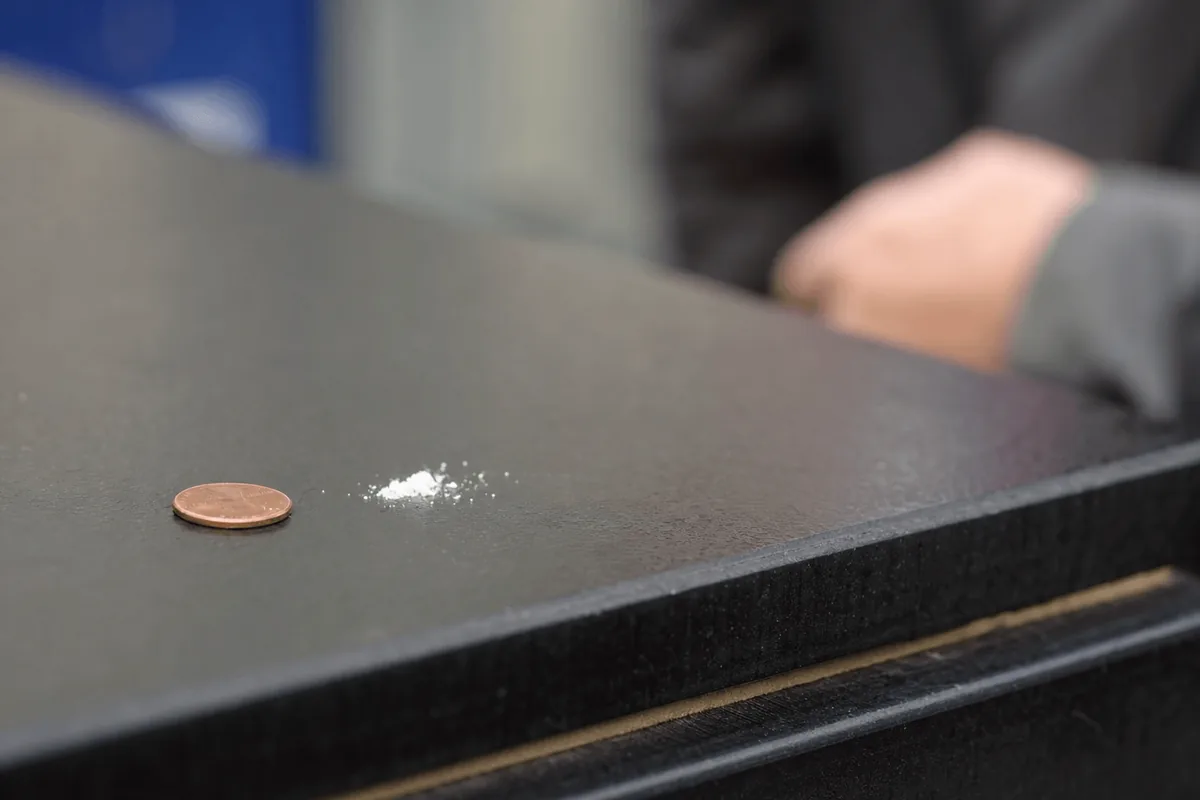
The danger is multiplied by how fentanyl reaches people:
- Counterfeit pills. Fentanyl is pressed into fake prescription pills designed to look like oxycodone, Xanax, or Adderall. Many buyers have no idea what they are actually taking.
- Mixed into other drugs. Fentanyl is frequently combined with heroin, cocaine, or methamphetamine, raising the risk of accidental overdose for people who never intended to use an opioid.
- Inconsistent potency. Illegally manufactured fentanyl has no quality control, so the strength varies wildly from batch to batch and even pill to pill.
How fentanyl drives overdose deaths
The human cost is the real story behind the seizure numbers. Illicitly manufactured fentanyl is the main driver of the rise in U.S. overdose deaths. CDC researchers reported that synthetic opioids, primarily fentanyl, were involved in roughly two-thirds of overdose deaths during this period, a sharp increase tied directly to the spread of fentanyl in the drug supply.
How can families respond to the fentanyl crisis?
You cannot control the supply, but you can take steps that meaningfully lower the risk for someone you love. The most effective responses are practical and judgment-free.
Carry naloxone and learn the signs of overdose
Naloxone (sold as Narcan) can reverse an opioid overdose if it is given in time. It is available without a prescription at most pharmacies, and it is safe to use even if you are not certain opioids are involved. Learn the signs of an overdose: slow or stopped breathing, blue or gray lips and fingertips, pinpoint pupils, and someone who cannot be woken. Never assume a person is "just sleeping it off."
Have honest, non-judgmental conversations
Shame keeps people from asking for help. Calm, direct conversations do the opposite. If you are worried about a loved one, focus on care rather than confrontation, and make it clear that help exists and treatment works. The SAMHSA National Helpline (1-800-662-HELP) offers free, confidential, 24/7 guidance.
Know that treatment is available
Fentanyl addiction is a medical condition, not a moral failing, and it is treatable. If you or someone you love is using fentanyl, our fentanyl addiction rehab provides medical and clinical support designed for the realities of this drug. Because fentanyl rarely appears alone, our broader opioid addiction treatment addresses the full picture.
What does effective fentanyl addiction treatment look like?
Headlines about busts can leave families feeling powerless. Treatment is where that changes. Recovery from fentanyl is hard, but it follows a well-established path.
Medical detox and medication-assisted treatment
Fentanyl withdrawal is intense, and supervised care makes it safer and more bearable. Our medication-assisted treatment combines FDA-approved medications with counseling to manage cravings and stabilize the body, so the work of recovery can actually begin. NIDA notes that medication, combined with behavioral therapy, is the standard of care for opioid use disorder.
Counseling and behavioral therapy
Medication addresses the physical pull of fentanyl. Counseling addresses the why behind use: triggers, trauma, and the patterns that keep someone returning to the drug. Individual and group therapy build the coping skills that protect long-term recovery.
Aftercare and family support
Relapse risk is highest right after a program ends, which is why aftercare is not optional. Ongoing meetings, check-ins, and counseling keep recovery on track. And because addiction affects the whole household, family support helps loved ones heal and build the environment that recovery needs to last.
The bottom line for families
Record fentanyl seizures are a real sign of effort, but they are not the finish line. The drug that is being seized is the same drug still reaching communities, and its lethality has changed what is at stake for anyone who uses it, even once. The most powerful response is not waiting for the next headline. It is naloxone within reach, an honest conversation, and a clear path to treatment.
If you are worried about fentanyl in your family, our admissions team is here, confidentially and without judgment, across New Hampshire and Massachusetts. You can reach out any time to start the conversation.
Sources
- California Seizes Record 62,000 Pounds of Fentanyl (2024). Office of the Governor of California. View source
- Facts about Fentanyl (2024). U.S. Drug Enforcement Administration (DEA). View source
- Trends in and Characteristics of Drug Overdose Deaths Involving Illicitly Manufactured Fentanyls - United States, 2019-2020 (2021). Centers for Disease Control and Prevention (CDC) - MMWR. View source
- Fentanyl DrugFacts (2024). National Institute on Drug Abuse (NIDA). View source
- National Helpline (2024). Substance Abuse and Mental Health Services Administration (SAMHSA). View source
Frequently asked questions
How much fentanyl did California seize?
California reported seizing roughly 62,000 pounds of fentanyl in 2023, a record amount that state officials called a sharp increase over prior years.
Why is fentanyl so dangerous?
Fentanyl is about 100 times more potent than morphine. As little as two milligrams can be a lethal dose, and it is often mixed into other drugs or fake pills without the user knowing.
What should I do if I find fentanyl or suspect a loved one is using it?
Keep naloxone (Narcan) on hand, never let someone use alone, and reach out for professional treatment. Fentanyl addiction is treatable, and early help saves lives.
Can fentanyl addiction be treated?
Yes. Medication-assisted treatment, counseling, and structured aftercare are proven approaches. A clinical assessment matches the right combination to each person's needs.
Keep reading
-
 Drug Addiction
 Healthcare Professional Substance Abuse Statistics 2026: Physician and Nurse Numbers, New England Data, and a Medical Director's Read on What They Mean
The most quoted numbers about addiction in medicine are decades old or traced to tiny samples. Here are the honest, sourced figures, and what they mean for clinicians in New England. August 27, 2026 -
 Drug Addiction
 Cocaine Addiction Statistics 2026: National Numbers, the Fentanyl Factor, and New England Data
Current, fully sourced numbers on cocaine use, overdose deaths, the fentanyl factor, and what the data actually say about treatment and recovery. August 25, 2026 -
 Drug Addiction
 Addiction and Crime Statistics 2026: Arrests, Incarceration, Drug Courts, and the New Hampshire and Massachusetts Numbers
The most widely quoted addiction and crime numbers are years out of date. Here is what the current federal, state, and peer-reviewed data actually show. August 18, 2026
This content is for informational purposes only and is not a substitute for professional medical advice, diagnosis, or treatment. If you or someone you know is in crisis, call or text 988. In an emergency, call 911.